Industrial and warehouse staffing · KC Northland
One station shortcosts $83.10 an hour.
That is one packaging line, one unfilled seat, one second shift, worked out below with every assumption written next to the number it produced. We bill $33.97 an hour to fill it.
The whole page is that one calculation. It ends where the argument ends, including the three cases where the arithmetic says do not call us.
01 · The hole
Four things happen when a seat sits empty.
The plant in this calculation is a placeholder: one six-station packaging line in a Northland distribution building, second shift 3:30 pm to midnight, eight paid hours, twenty two production days a month, one station unfilled. Standard rate with a full crew is 1,150 cases an hour. Every input below is a placeholder that was never measured at anyone's plant. Substitute yours and the page still works.
| Line item | How it is worked | Per hour |
|---|---|---|
| Throughput not made | The line holds 88% of standard on five of six stations. 1,150 × 0.12 = 138 cases an hour short, at $0.41 contribution a case. | $56.58 |
| Overtime on the crew that stays | 4.0 of the 8 hours get covered at time and a half. $21.50 base × 0.5 = $10.75 premium × 4.0 hours = $43.00 a shift, spread over 8. | $5.38 |
| Scrap on a short crew | Scrap runs 1.4% short against 0.9% crewed. On 1,012 cases an hour that is 5.06 extra cases, at $2.60 of material and inbound freight. | $13.16 |
| Recruiting already spent | $1,180 a hiring attempt in postings, screening hours, background and drug panel. 2.3 attempts per seat actually filled = $2,714, over 340 hours of average tenure. | $7.98 |
| The hole | 56.58 + 5.38 + 13.16 + 7.98 | $83.10 |
Three of those four are invisible on a P&L. The overtime shows up in a payroll line that also contains the overtime you planned. The scrap shows up as material variance. The recruiting spend was booked in a month when the seat was still filled.
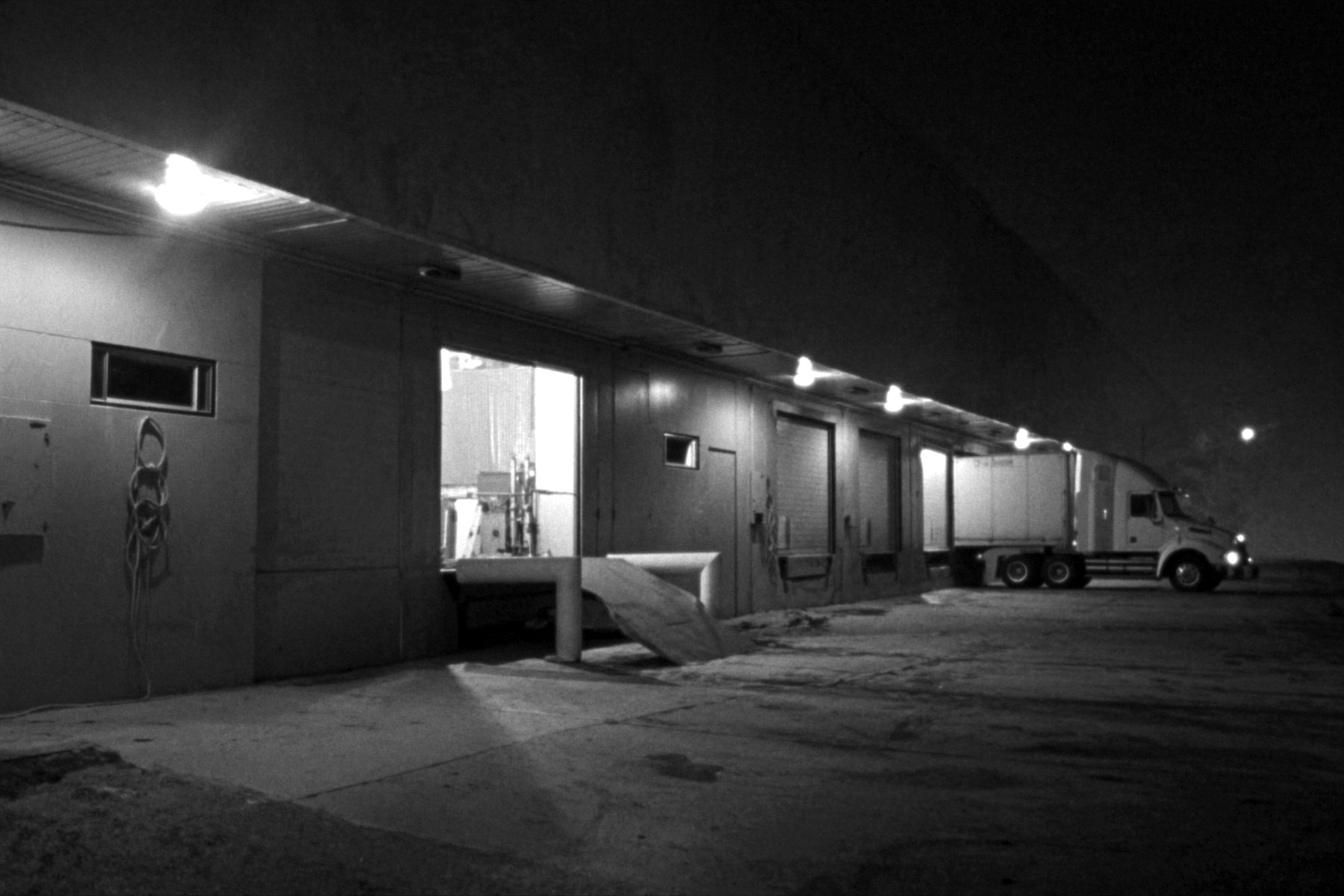
Second shift, 3:30 pm to midnight. The trailer is booked whether the station is crewed or not.
02 · The bill rate
What is inside $33.97.
We pay the associate the same base the incumbent crew earns, because a seat paid under the line it sits on does not stay filled and you end up back at the top of this page. The markup is 1.58 on pay. Below is what it covers and what is left. The one figure worth arguing with is the last one: if you think 14.1% is too much for sourcing, screening, payroll, insurance and a desk that answers at four in the morning, that is a fair argument and it is the argument to have.
| Line item | How it is worked | Per hour |
|---|---|---|
| Pay to the associate | Matched to the incumbent base rate on the line. | $21.50 |
| Employer payroll taxes | FICA, FUTA and a state unemployment reserve, at a placeholder blended 9.0% of pay. | $1.94 |
| Workers' compensation | Placeholder premium at 4.6% of pay for a warehouse and packaging class. Yours depends on your carrier and your experience modifier, not on ours. | $0.99 |
| Liability cover | General liability and employment practices, 1.2% of pay. | $0.26 |
| Recruiting and screening | Our sourcing, interview, background and panel cost, spread over the same 340 hours of tenure used above. | $2.90 |
| Branch service | Payroll runs, safety orientation, on-site check-ins, the desk that answers at 4:00 am. | $1.60 |
| What is left to us | 33.97 billed − 29.19 spent, which is 14.1% of the bill rate | $4.78 |
03 · The crossover
Where the two numbers meet.
One side of the page is $83.10 an hour. The other is $33.97. Everything that follows is subtraction.
- Per hour, per open station
- $83.10 held against $33.97 billed $49.13
- Per eight hour shift
- $49.13 × 8 $393.04
- Per month of production
- $393.04 × 22 shifts $8,646.88
- Markup at which filling the seat stops paying
- Our bill rate would have to reach $83.10 on a $21.50 pay rate. We bill at 1.58. 3.87×
The margin between 1.58 and 3.87 is why this page exists and it is also why we can afford to publish the case against ourselves directly below it. On these placeholder inputs the answer is not close. On yours it might be, and the three conditions that make it close are listed next.
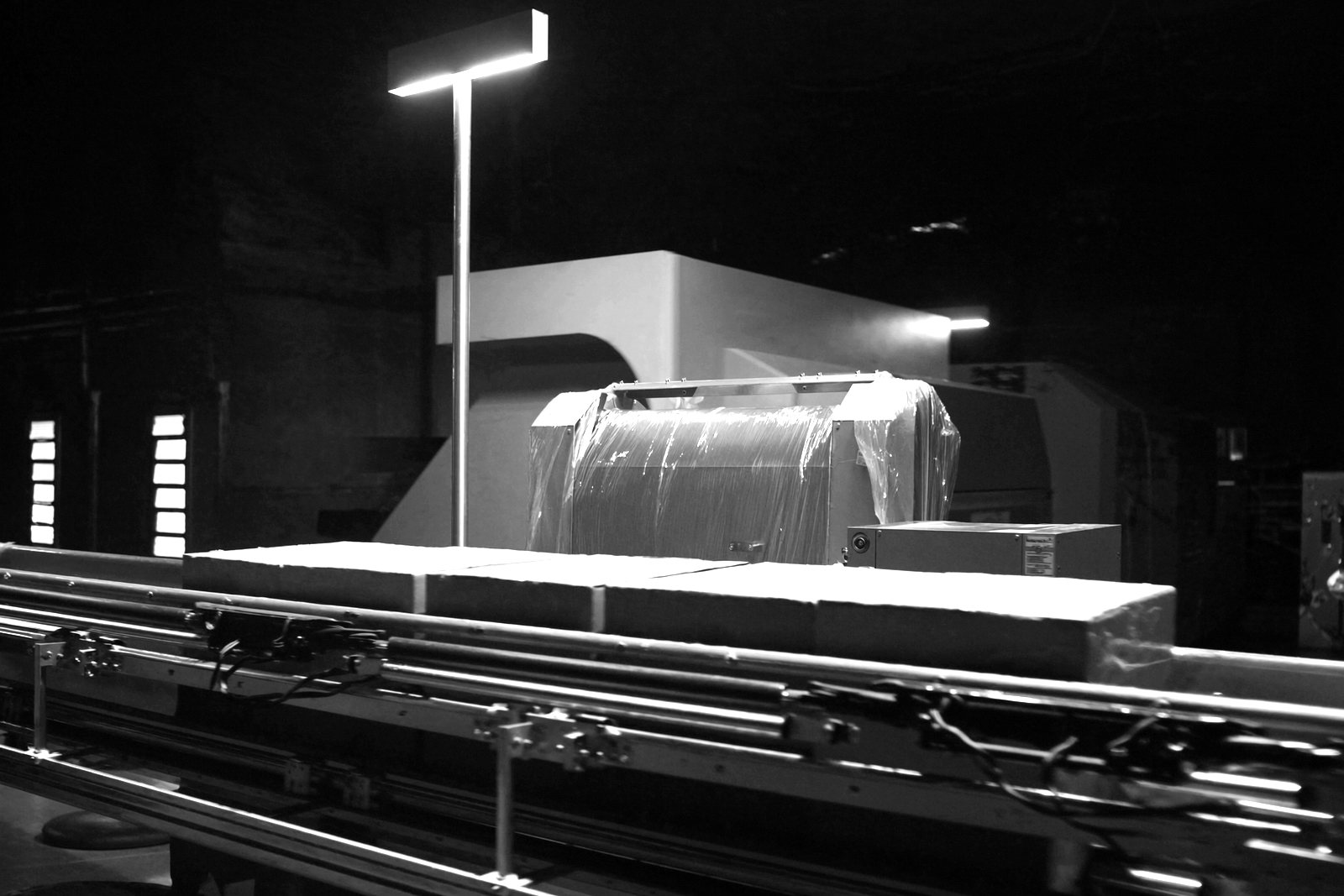
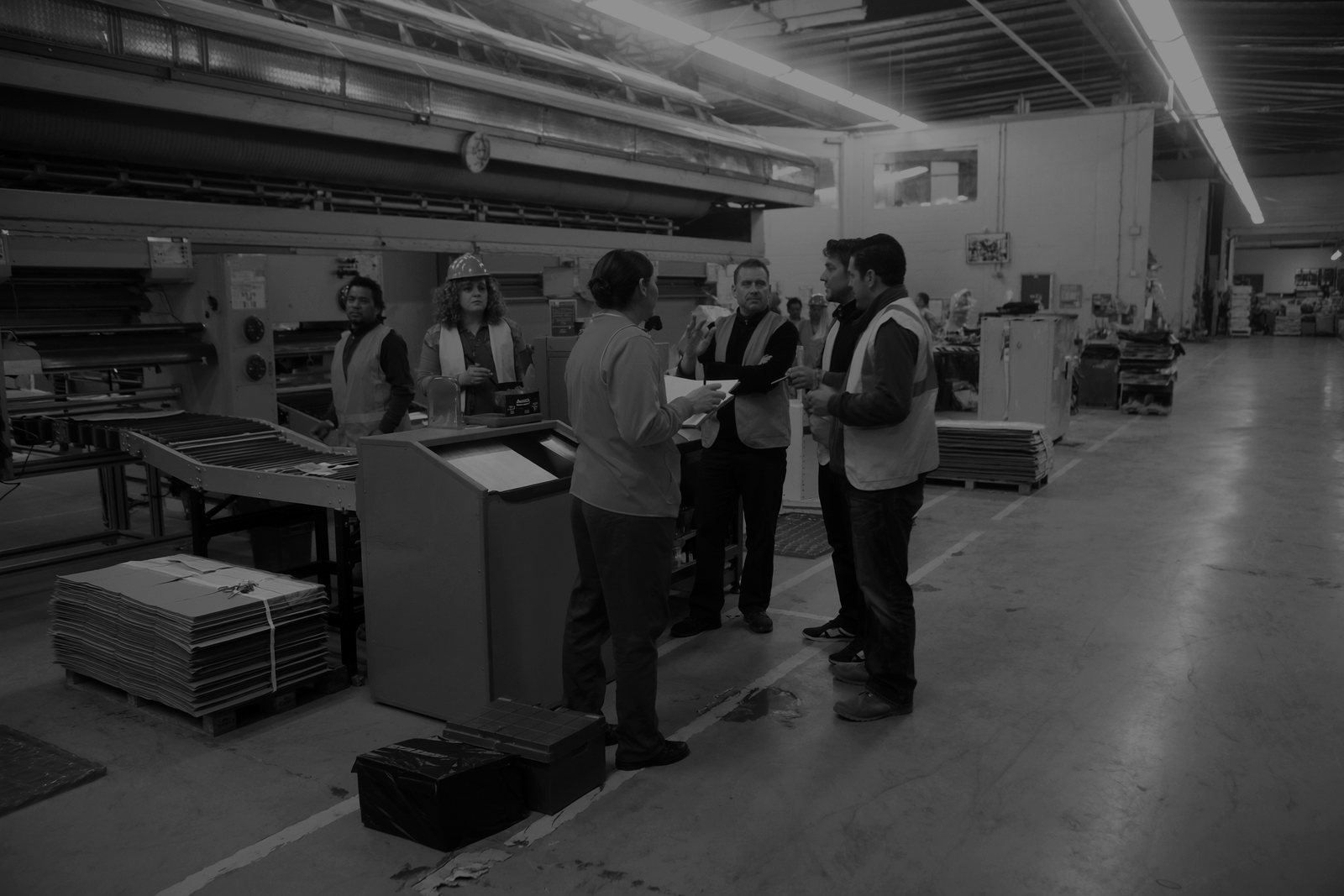
The line the arithmetic is about. Six stations, one of them empty.
04 · Against us
Three times the arithmetic says do not call.
The station is not on the constraint.
Row one carried $56.58 of the $83.10, and it only exists if the line is the plant's bottleneck. If a downstream buffer absorbs the shortfall and you ship the same cases by Friday, that row is zero and the hole is worth less than the fill.
5.38 + 13.16 + 7.98 = $26.52 an hour, which is $7.45 under our bill rate. Run short.
The seat is permanent and you can genuinely hire for it.
Carried direct, that same associate loads at $24.69 an hour. We are $9.28 above that. If your fill rate is near one attempt per seat and people stay a year, direct hiring wins and it is not a close call.
$9.28 × 2,080 hours = $19,302 a year, per seat. We quote conversion at no fee after 640 hours worked, which is us losing this one on purpose.
The gap is days, not months.
The screening cost is fixed at roughly $986 a placement and only becomes $2.90 an hour because it is spread across 340 hours. Spread it across one Tuesday and it is larger than the entire bill rate. A stranger also needs a badge, a safety brief and a shift to learn the line.
Under about three shifts of open time, your own overtime at $5.38 an hour is the cheaper instrument.
05 · The inputs
Every assumption, and where your real one lives.
None of these were measured. They are placeholders chosen to be plausible for a Northland distribution building. Each one names the document at your plant that holds the true figure, so the argument can be rebuilt against your numbers instead of ours.
- 1,150 cases an hour
- Standard rate, full crew. Yours is on the line's rate sheet or in the OEE report.
- 88% of standard on five of six
- The one input most worth measuring, because it carries two thirds of the hole. Take it from two weeks of hourly counts on shifts you know ran short.
- $0.41 contribution a case
- Price less variable cost, not gross margin. Your controller has it. If the line is not the constraint, this row is zero regardless.
- $21.50 base rate
- Second shift base for the classification, before any shift differential. Payroll register.
- 4.0 overtime hours a shift
- Actual premium hours attributable to the vacancy, not total overtime. Timekeeping export, filtered to the department.
- 1.4% against 0.9% scrap
- Quality log by shift. The gap matters, the absolute level does not.
- $1,180 and 2.3 attempts
- Cost per hiring attempt and attempts per filled seat. Most plants have the first and almost none track the second.
- 340 hours average tenure
- Roughly nine weeks. This one input sets both the recruiting row and our own amortised screening cost, so it moves both sides of the page.
- 9.0%, 4.6%, 1.2%
- Payroll tax, workers' compensation and liability as a share of pay. Class code and experience modifier are specific to an employer, so treat these as illustrative only.
06 · Contact
Bring your numbers, not ours.
Call and we will work the same eleven inputs against your line while you are on the phone. If it lands under our bill rate we will tell you, and the call ends there.
Call (816) 555-0142- Have ready
- Standard rate, contribution a case, base rate for the classification, and how many shifts the seat has been open.
- Dispatch
- Monday to Friday, 5:00 am to 9:00 pm. Placeholder hours.
- Branch
- 123 Main Street, Suite 200, North Kansas City, MO 64116. Placeholder address.
- dispatch@example.com